
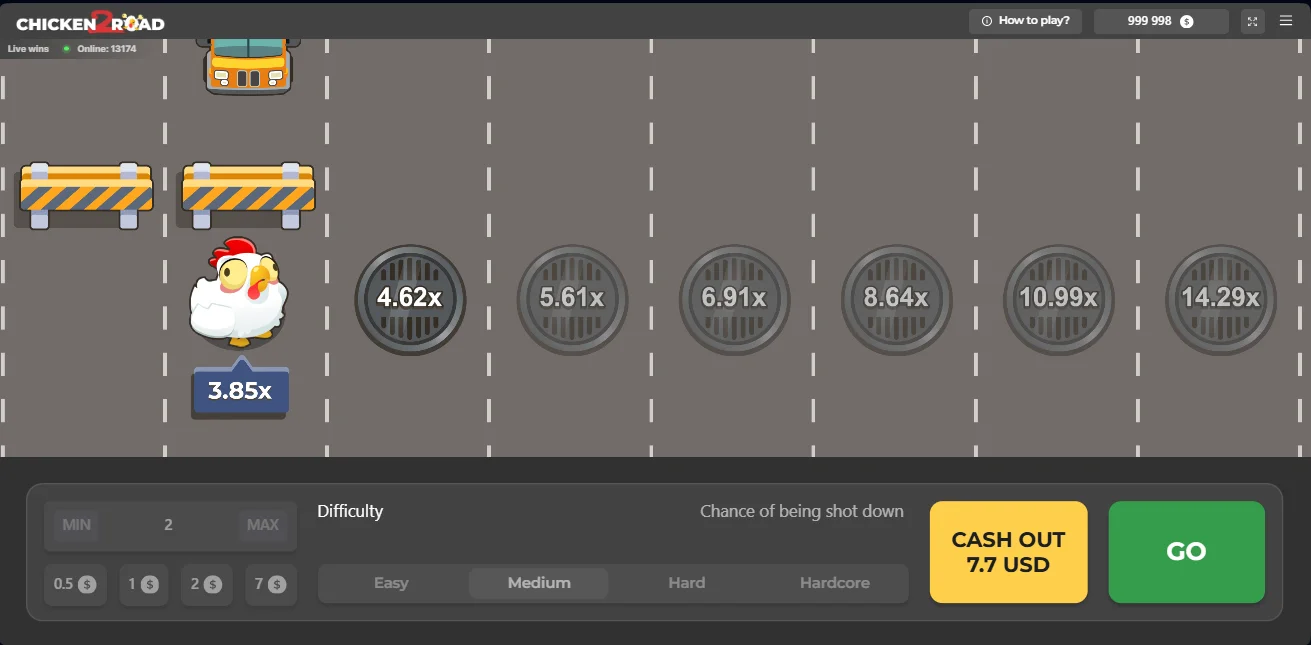
The UK gaming community positions itself at the forefront of innovation with chicken road games’ player-first approach. This model focuses on player feedback, enabling the studio to adjust development based on user insights. By cultivating open dialogue between developers and gamers, Chicken Road Games not only elevates the gaming experience but also creates a sense of belonging among players. As this approach gains traction, it raises questions about its long-term impact on the gaming industry.
Understanding the Gamer-First Approach
As gaming progresses, understanding the player-centric approach becomes essential for developers aiming to create engaging experiences. This philosophy focuses on putting first player needs, preferences, and feedback throughout the development process. By leveraging player perspectives, developers can design compelling mechanics, intriguing narratives, and stunning visuals that connect with audiences.
Moreover, a player-first mindset promotes continuous interaction post-launch, enabling developers to adapt games based on real-time player input. This ongoing process boosts player loyalty and satisfaction, nurturing a lively community.
Ultimately, embracing the player-centric approach not only enhances gameplay but also encourages longevity in a competitive market. By emphasizing player experiences, developers can guarantee their creations shine and https://www.theguardian.com/australia-news/2025/feb/28/star-scrambles-for-cash-injection-to-stay-afloat-as-casino-giant-enters-trading-halt thrive amidst the evolving environment of gaming.
Key Features of Chicken Road Games
Chicken Road Games captivate players through their interesting gameplay mechanics and vibrant community features. Players become not only engaged by the game’s design but also linked through interactive elements that foster collaboration and competition. This singular blend keeps the experience fresh and promotes ongoing participation, making it a highlight in the gaming scenery.
Captivating Gameplay Mechanics
While players explore the enchanting landscape of Chicken Road games, they experience a range of features that elevate participation and difficulty. Energetic hurdle traversal requires quick responses and strategic consideration, fostering thrill as players avoid barriers and gather rewards. The progressive complexity arc promises a sense of success while keeping players invested over time. Furthermore, timed missions bring pressure, driving players to perfect their skills for better results. Incentives mechanisms also hold an significant role; acquiring rewards encourages discovery and expertise of each stage’s intricacies. Collectively, these game mechanisms not only boost the complete adventure but also nurture a deeper relationship between players and the fantastical world of Chicken Road, encouraging them to enhance their skills constantly.

Engaging Community Aspects
Engagement in Chicken Road games reaches past single-player gameplay, nurturing a active network where players can interact and collaborate. This colorful exchange is crucial for player loyalty and contentment, delivering elements that improve the entire experience. Important engaging community aspects consist of:
- Cooperative Tasks
- Game-Based Communication
- Custom Content
- Rankings and Contests
These aspects not only enrich the play journey but also foster a solid notion of inclusion within the Chicken Road network.
The Value of Player Input
Player input plays an crucial role in the achievement of Chicken Road games, offering developers valuable understandings into user likes and gameplay experiences. By incorporating this response into the repetitive development process, creators can improve game dynamics and overall satisfaction. Additionally, nurturing community interaction through feedback channels helps build a loyal player base that feels engaged in the game’s evolution.
Engaging Player Insights
In today’s gaming environment, robust response mechanisms are essential for successful titles, and “Chicken Road” is no exception. Player opinions not only enhance gameplay but also cultivate a community, driving long-term participation. To leverage this possibility, developers should focus on:
- Gathering Feedback
- Analyzing Data
- Community Interaction
- Iterative Improvement
Iterative Game Development
While many titles launch with a solid base, the true measure of their success lies in the capacity to adapt and progress based on feedback. Iterative game development highlights this vibrant relationship between developers and players. By actively soliciting user input, teams can identify pain points and preferences, facilitating necessary adjustments. This repetitive process promotes continuous improvement, guaranteeing the game remains relevant and captivating. Additionally, integrating player feedback not only enhances gameplay mechanics but also fosters a sense of community ownership and investment. Identifying patterns in player behavior enables developers to predict future needs, leading to innovative features. Ultimately, an iterative approach transforms games from static products into dynamic experiences, matching with players’ desires and expectations.
Enhancing Community Interaction
Feedback from the gaming community holds a vital role in improving interaction and promoting a dynamic atmosphere around games. By actively connecting with players, developers can nurture a colorful community, leading to continuous improvement and innovation. Key aspects of player feedback include:
- Spotting Bugs – Players often highlight issues that developers might overlook, improving overall game functionality.
- Balancing Gameplay – Community input helps fine-tune game mechanics for a fairer experience.
- Expanding Content – Suggestions from players can inspire new features or expansions, maintaining the game new and captivating.
- Building Trust – When developers pay attention and react to feedback, it fosters loyalty and investment among players.
These elements highlight the importance of integrating player perspectives in the gaming environment, enhancing community interaction and satisfaction.
Enhancing Gameplay Mechanics
To elevate the enthusiasm and engagement in the Chicken Road game, developers have dedicated themselves to improving gameplay mechanics that improve player interaction and strategic depth. They’ve implemented lively obstacle courses that necessitate players to evaluate and respond quickly to continuously shifting environments. Enhanced power-ups offer special advantages, motivating players to formulate personalized strategies tailored to their play style. The execution of a tiered scoring system intensifies competition, rewarding both skill and creativity in maneuvering through challenges. Additionally, developers have streamlined user interfaces, making real-time decision-making instinctive and smooth. These enhancements not only increase the thrill of gameplay but also cultivate a richer experience, encouraging players to master techniques and strategies essential for surmounting ever more intricate levels.
Building a Community Around Chicken Road Games
As players immerse themselves in the vibrant world of Chicken Road, developers understand the importance of fostering a vibrant community to improve the overall experience. A dynamic community not only encourages engagement but also facilitates collaboration among players. Here are four crucial elements for building that community:
- Interactive Forums
- Regular Events
- Feedback Loops
- Social Media Presence
The Future of Gaming in the UK
While the gaming landscape in the UK continues to develop, it’s clear that innovation, community involvement, and technological advancements will play crucial roles in shaping its future. The rise of engaging technologies, such as virtual and augmented reality, presents exciting opportunities for developers and players alike. As cross-platform gaming gains popularity, promoting inclusive communities and paving the way for varied collaborations will become core strategies. Additionally, with mobile gaming’s exponential growth, game designers must adapt to evolving player preferences. The UK’s commitment to nurturing talent through educational efforts guarantees a pipeline of skilled professionals ready to tackle emerging trends. Ultimately, a player-first approach, as exemplified by the Chicken Road game initiative, will change gaming experiences and cultivate lasting connections within the industry.
Conclusion
In adopting Chicken Road Games’ player-first approach, the UK gaming community marks a groundbreaking shift in development practices. This commitment to https://www.annualreports.com/HostedData/AnnualReportArchive/p/LSE_PTEC_2008.pdf prioritizing player feedback fosters not just tailored gaming experiences, but also a strong sense of community. As developers continue to adapt based on user perspectives, the future of gaming in the UK looks bright, with collaborative efforts paving the way for breakthroughs that appeal to players. This model may well set a new standard in the gaming industry.
